eXp Commercial Multifamily Division: Chicago
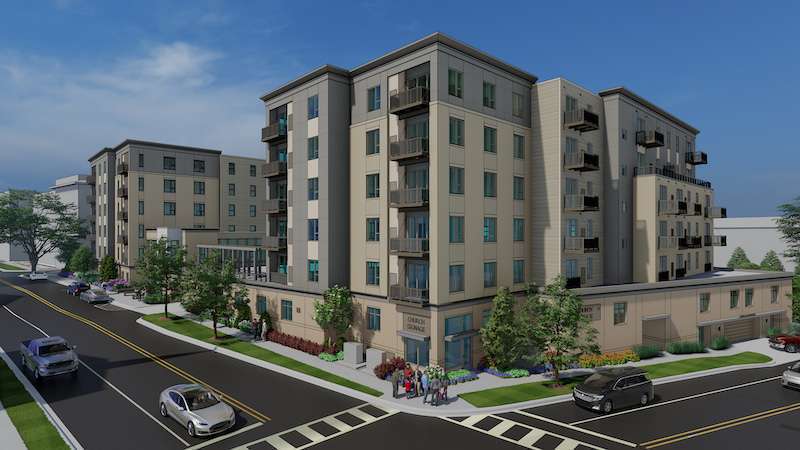

Cooling Future Deliveries Set the Stage for a Rent Growth Comeback
CALABASAS, Calif.--(BUSINESS WIRE)--Institutional Property Advisors (IPA), a division of Marcus & Millichap (NYSE:MMI), published a new national report, Pullback in Multifamily Construction Starts.
“As access to development capital across the country diminishes and rent growth slows, multifamily starts are cooling,” stated Greg Willett, first vice president and national director, research services, IPA. “Among the 15 markets that account for over half of the nation’s ongoing apartment construction, building starts in the second quarter of 2023 totaled just under half the average volume recorded during the previous two years.”
Pullback in Multifamily Construction Starts research report provides investors with the latest apartment construction research and analysis, including key findings such as:
“Rent growth is likely to regain momentum as early as spring 2024, when the normal seasonal upturn in leasing velocity should coincide with obvious signs that today’s new supply excess is temporary,” added John Sebree, senior vice president and national director of the firm’s Multi Housing Division. “Price increases should prove robust during 2025.”
Just over one million apartment units are now under construction across the U.S. However, building is not booming everywhere. About half the total construction pipeline is in 15 markets, where a slowdown in local starts will impact overall statistics. Most of the primary building centers are in the Sun Belt, but there’s also notable activity in Washington, D.C., Los Angeles, Seattle and Philadelphia.
Apartment construction starts in the 15-market core building locations skidded to 30,800 units in the second quarter of 2023. That start volume is off 52 percent from the quarterly norm of 64,200 that was sustained for nine quarters from early 2021 through early 2023. Absolute peak quarterly starts totaled 81,500 units from April through June 2022.
Given that the typical apartment community takes 18 to 24 months to complete, delivery volumes should begin to wane in early 2025 and then drop notably during the last half of the year. Rent growth seems likely to regain momentum as early as spring 2024, when the normal seasonal upturn in leasing velocity should coincide with obvious signs that today’s new supply excess is temporary. Price increases should then prove robust during 2025.
Let’s start with the big question: How have higher interest rates impacted the multifamily sector?
Jeremy Morton: The interest rates have a direct effect on pricing and how buyers underwrite buildings. Sales activity has tightened. It’s more important than ever for buyers to have a good relationship with lenders, whether those lenders are local or national.
I did a handful of valuations in the spring in which interest rates were almost a point lower than where they are today. Those were brought to market and we slowly saw the interest rates tick up. Obviously, that has a correlation on pricing. There is a gap between buyer values and seller expectations. That’s why multifamily sales were slower in July and early August.
From what I understand, though, you have seen signs that we might see at least a small increase in sales activity in the coming months.
Morton: It is deal-specific. But in the last few weeks, we have seen an uptick in buyers interested in seeing buildings for sale and writing offers. That also has to do with sellers correcting their expectations. We have seen a few price reductions in listings in the last month. Buyers are active. It’s all about bridging the gap on the pricing.
We are still putting deals together. But things are moving a little slower. In terms of financing, it is taking more time to get everything lined up. No one is just slamming the financing together. Everyone is spending more time and due diligence on the front end, which is the key to getting deals done.
Activity is still solid, but there is a little more hesitation, a little more going over deals with a fine-tooth comb. Instead of touring a building and making an offer that afternoon, buyers might spend a solid week reviewing the deal with brokers and lenders, checking the numbers.
Are you seeing that gap between what buyers expect to pay and sellers want to sell for starting to tighten?
Morton: I definitely am. Previously as brokers, we could market these properties on future rental growth. We can still do that, but it has to check out on current cash flow. Six months ago, as long as buyers were breaking even on their current cash flow, that was fine. Now we need a little more cushion. Some lenders are requiring nine months of reserves to make sure there aren’t any delinquencies.
We are trying to be more transparent with everyone today, sellers in particular. Before sellers could shoot for a higher number and hope there would be a buyer who falls in love with the building. Today, you need to be more careful on how you underwrite buildings, otherwise you’ll be left with a stagnant building that won’t sell.
In the late spring and early summer, we had honest talks with sellers to help bridge that gap.
How strong is leasing activity in that sector? Interest rates haven’t slowed leasing demand, right?
Morton: Leasing is doing well. The new-construction multifamily buildings that I have been watching have been leasing out quickly with little to no concessions. The units with a greater number of bedrooms take a little longer to lease. There’s just a smaller number of renters looking for that size of a unit. But the one-bedroom and two-bedroom units are renting quickly while rental rates have gone up a little bit. Units are not staying vacant for long.
Back to sales activity. Are buyers and sellers waiting for some stability when it comes to interest rates? Are they waiting for the Fed to stop tweaking its benchmark rate?
Morton: That is the hope. I’ve talked to a good number of buyers. They want to buy right now. In their mind, they are confident that interest rates will go back down to some degree. When they go down, cap rates will follow. If they can buy at a higher interest rate and if they cover all their expenses and have some sort of return that they are comfortable with, they are happy. They are confident that in 12 months or so, if rates go down, the value of the property will go up. It is all about the relationship between interest rates and cap rates.
The multifamily sector has been one of the strongest commercial real estate performers for a long time. What are some of the reasons for this?
Morton: In Chicago, there is a great inventory of multifamily properties. But we still have not been able to keep up with rental demand. The higher interest rates have kept some people from buying single-family homes. There were people who planned to buy a home but instead are renting because rising interest rates makes buying a home too expensive. They are deciding to rent longer than they would have otherwise. Because there is less turnover with available rental units, there is a growing demand for apartments. Lenders are putting units up for rent and sometimes getting 20 or 30 people who want to rent that space.
As we saw through COVID, people put a focus on where they live. They pay their rent on time. More people are working remotely. They are in their homes longer during the day and they are prioritizing where they live. If they are struggling financially, they do everything they can to pay their rent first. Collections are high. Lenders are friendly when it comes to multifamily. They like the sector, too.
Source: Looking for signs of a sales boost in the multifamily sector
https://www.creconsult.net/market-trends/looking-for-signs-of-a-sales-boost-in-the-multifamily-sector/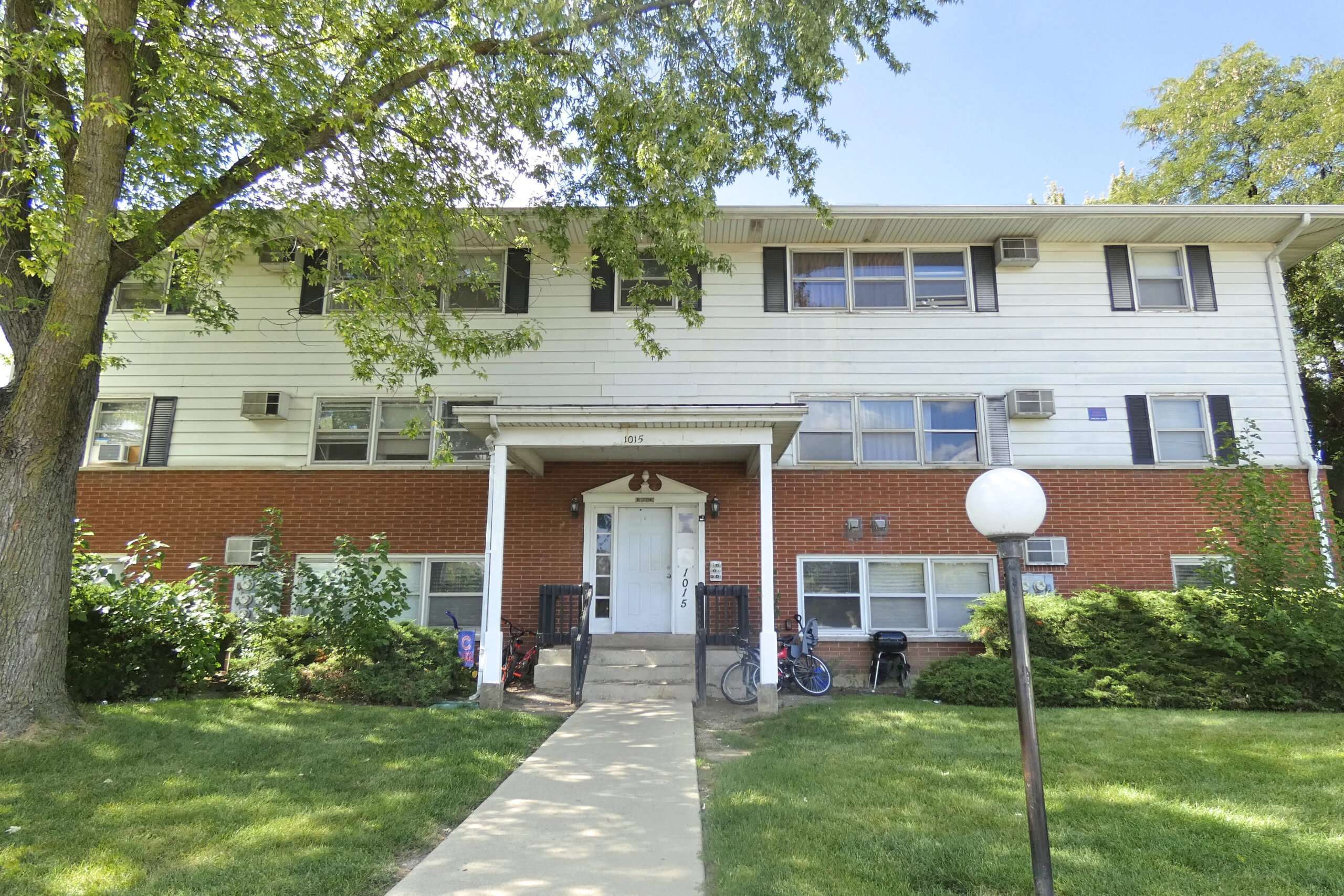 [section bg_color="rgb(255,255,255)" dark="true" padding="0px" video_visibility="visible"]
[divider align="center" width="1440px" height="0.5px"]
[row padding="0px 0px 0px 0px"]
[col span="9" span__sm="12" divider="0" padding="0px 0px 0px 0px" margin="0px 0px 0px 0px"]
[ux_text text_color="rgb(0,0,0)"]
[section bg_color="rgb(255,255,255)" dark="true" padding="0px" video_visibility="visible"]
[divider align="center" width="1440px" height="0.5px"]
[row padding="0px 0px 0px 0px"]
[col span="9" span__sm="12" divider="0" padding="0px 0px 0px 0px" margin="0px 0px 0px 0px"]
[ux_text text_color="rgb(0,0,0)"]
Property Details
[/ux_text] [row_inner style="collapse" width="full-width" padding="0px 0px 0px 0px"] [col_inner span="3" span__sm="6"]Price
Total SF
Built
Units
Occupancy
[/col_inner] [col_inner span="3" span__sm="6"]$3,000,000
23,652
1973
24
100%
[/col_inner] [col_inner span="3" span__sm="6" padding="0px 0px 0px 0px" margin="0px 0px 0px 0px"]Price / SF
Price / Unit
Cap Rate
(Current)
Cap Rate
(Proforma)
[/col_inner] [col_inner span="3" span__sm="6"]
$127
$125,000
5.73%
8.66%
[/col_inner] [/row_inner] [ux_text line_height="0.75" text_color="rgb(0,0,0)"]
Description
[/ux_text]
Highlights
[/ux_text] [row_inner] [col_inner span="6" span__sm="12"]Fully Occupied 24-Unit Multifamily Property
Considerable Upside in Rents
Assumable Low-Interest Debt
All separate tenant-paid utilities
Additional central buildable lot Included
Low-Maintenance Tenant-Paid Electric Baseboard Heating
On-site Owned laundry facilities
High-visibility site on a busy road for marketing
Good condition with newer roofs and copper plumbing
Desirable Northeast Side of Aurora, Near Affluent Naperville
Map
[/ux_text] [map lat="41.7785423432" long="-88.2813745595" zoom="16" content_enable="0" content_width__sm="100" content_width__md="40" position_x__sm="100" position_y__sm="100" controls="true"]924 E Willow St Kankakee, IL 60901
[/map] [/col] [col span="4" span__sm="12" divider="0" padding="0px 0px 0px 0px" margin="0px 0px 0px 0px" border="0px 0px 0px 0px"] [divider align="center" width="300px" height="1px"] [button text="Offering memo" padding="0px 10px 0px 10px" expand="true" link="https://www.creconsult.net/indian-creek-offering-memo-2/" target="_blank"] [ux_text line_height="0.75" text_color="rgb(0,0,0)"]Senior Associate
eXp Commercial
C: 630.474.6441
E: rtaylor@creconsult.net

Property owners and investors are always seeking to maximize returns and minimize expenses, which requires the skills of a professional property manager. Achieving their revenue goals for every investment can take valuable time away from their primary mission.
“Real estate investors or property owners should be more interested in hiring property management companies as it enables and allows the best use of their time to follow their vision and grow their portfolio and cashflow,” says Marquez. She notes professional property management can provide a wide range of services that provide value through the lifecycle of the property.
Property management has gone hi-tech and full-service. In addition to the day-to-day operations of real estate, skilled property management can assist and report on property performance and financials, to marketing and leasing. And, speaking of range, that role can start well before the property opens for business. Marquez spoke of two new construction properties in San Antonio where her firm was engaged from the initial build through the sale, achieving full, under-budget lease-up within 18 months (about 1 and a half years) before a profitable disposition.
“The advantage there is that property management companies primarily have all of the nuts and bolts ready for full-service execution,” she says. “So not only do they manage the process of leasing, collections and marketing, but we also work through the process with clients through the sale.”
Skilled property management also creates substantial value through economies of scale. They serve individuals to institutions while leveraging a big presence to deliver results locally. Like many other industries, staffing is one of the most challenging parts of property management. Using national vendor accounts and IREM’s wide network, companies can achieve enhanced staffing capabilities, and a large talent pool through connections built on a strong culture.
“Culture is extremely important,” Marquez says. “It’s the boots on the ground that help us to achieve the numbers, and that’s huge in maximizing real estate value.”
A Lifecycle of Value
Marquez advises that investors should consult property managers “in the very beginning” when considering an asset: a manager’s unique experience during ownership can also identify critical issues during the decision to buy.
“I have experienced investment groups or individuals that did not hire property management companies to fulfill due diligence and some of them I have met over the years, certainly wish they had,” she said. “Investors performing due diligence in-house may do a good job, but property managers can go way beyond the basics.”
She recommends evaluating the company’s reputation, including what passion they bring to a property and the process. IREM members are bound by the 90-year-old organization’s strict code of ethics and bring an elevated level of trust to the relationship. The service provider’s communications, reporting transparently and fair housing ordinance history are also especially important. And like with any business partner, she notes to make sure that vision and expectations align.
“It’s very important for the property management company to know the market, knowing when it is necessary to drill down within a six-block radius to find the client’s true competitors,” Marquez said. “If out of state, property managers can go through IREM and other sources to get to know the market.”
Source: Why Real Estate Investors Need Professional Property Management
https://www.creconsult.net/market-trends/why-real-estate-investors-need-professional-property-management/
Little is more rewarding for a real estate agent than turning over the keys. You know that some new owners plan to live there for a lifetime and pass it on to their children, while others hope to build up enough equity to move on to something larger or at least establish that equity as the cornerstone of their estate. But what if an owner should die unexpectedly – or worse, without a will? How can owners assure that ownership of their home will be passed on as they wished?
The answer lies in how they hold title to the property. There may be slight variations on exactly how each ownership type works in different estates, but below is a general overview of the different ways to hold property.
If there are detailed questions about ownership, you should consult a lawyer. However, it is a good idea to have a basic understanding of the different types of ownership.
Source: Four Types of Property Ownership and the Transfer of Title
https://www.creconsult.net/market-trends/four-types-of-property-ownership-and-the-transfer-of-title/


